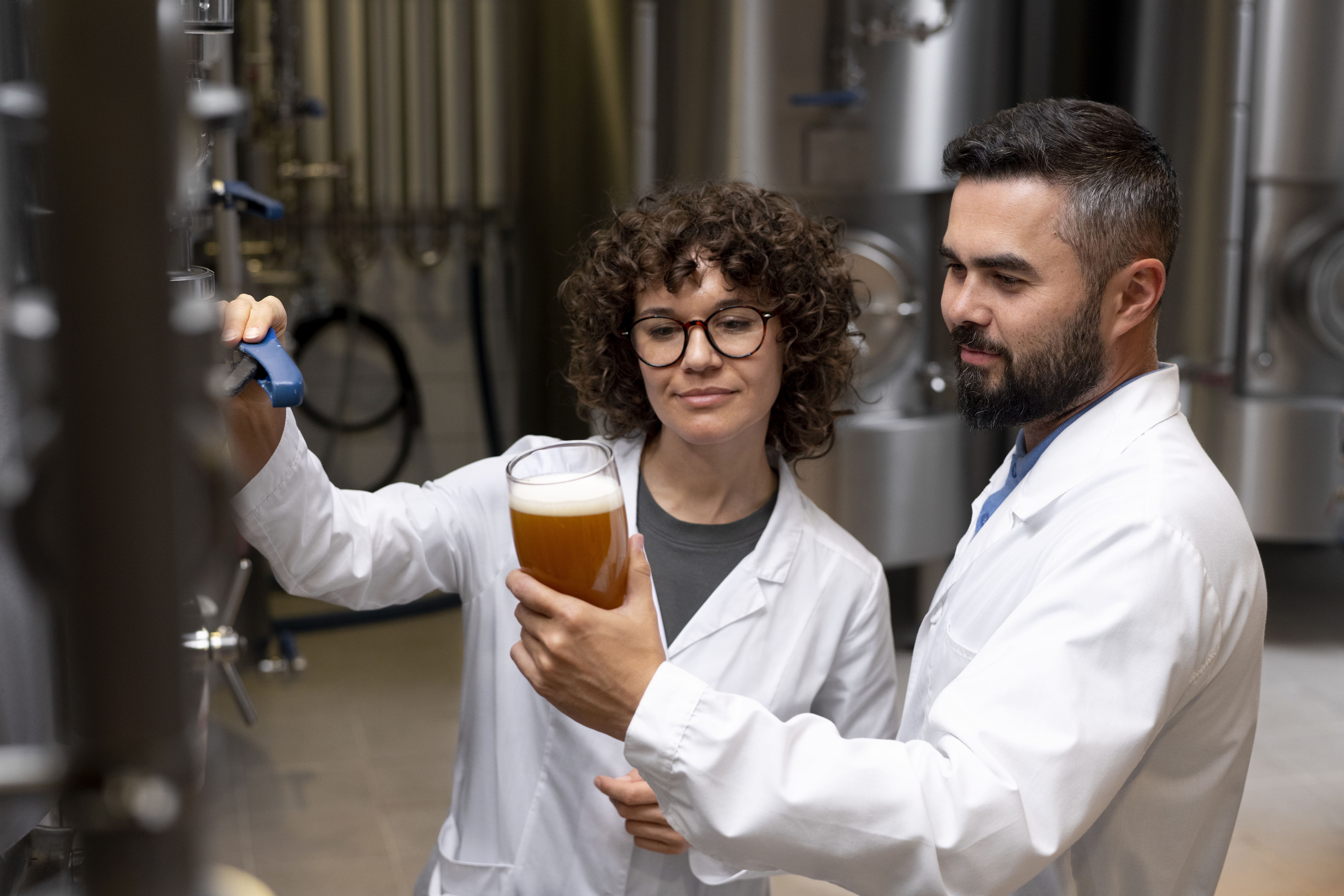
Process-Centric Flavour Development: Integrating R&D;, QA, and Production
Flavour development should not operate independently from process engineering. Cross-functional collaboration...
Shelf-Life Stability: Predicting Flavour Drift Over Time
Flavour perception evolves during storage due to oxidation, moisture migration, and matrix interaction....
From Lab Trial to Commercial Scale: Managing Scale-Up Variables
Pilot success does not guarantee production stability. Scale introduces residence time variation, thermal...
Regional Taste Engineering: Aligning Flavour Intensity Across Indian Markets
Taste perception varies by geography due to dietary exposure, spice tolerance, and cultural preference....
Clean Label Reformulation: Technical Balance Between Compliance and Performance
Clean-label reformulation often removes artificial carriers, solvents, or enhancers. However, removal...
UHT & HTST Processing: Protecting Flavour in Dairy and RTD Beverages
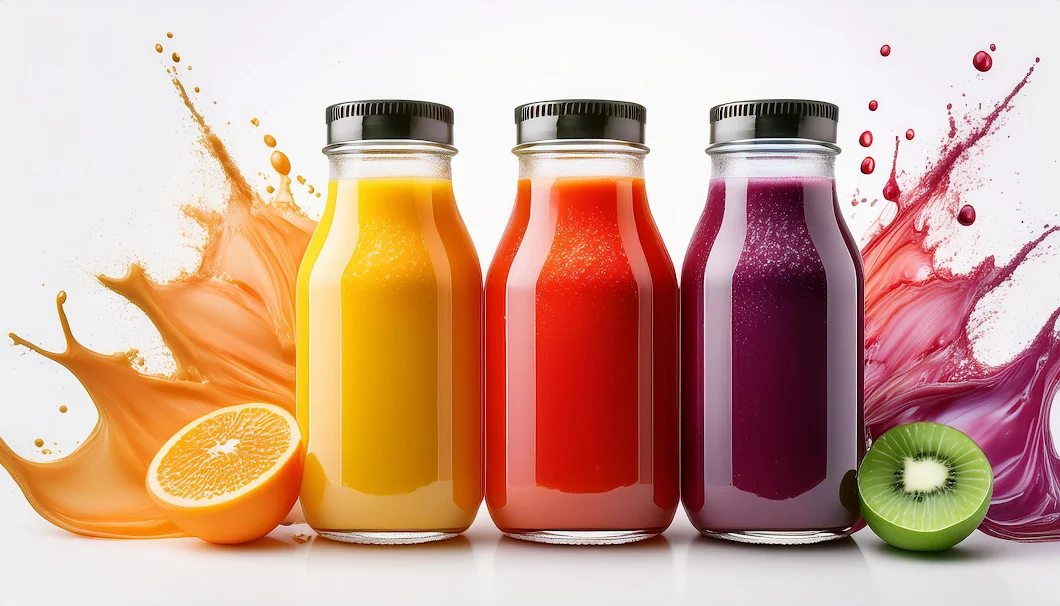
Thermal processing above 135°C in UHT systems and high-temperature short-time pasteurization significantly...
Engineering Flavours for Extrusion & Frying: Managing Heat, Shear, and Oil Load
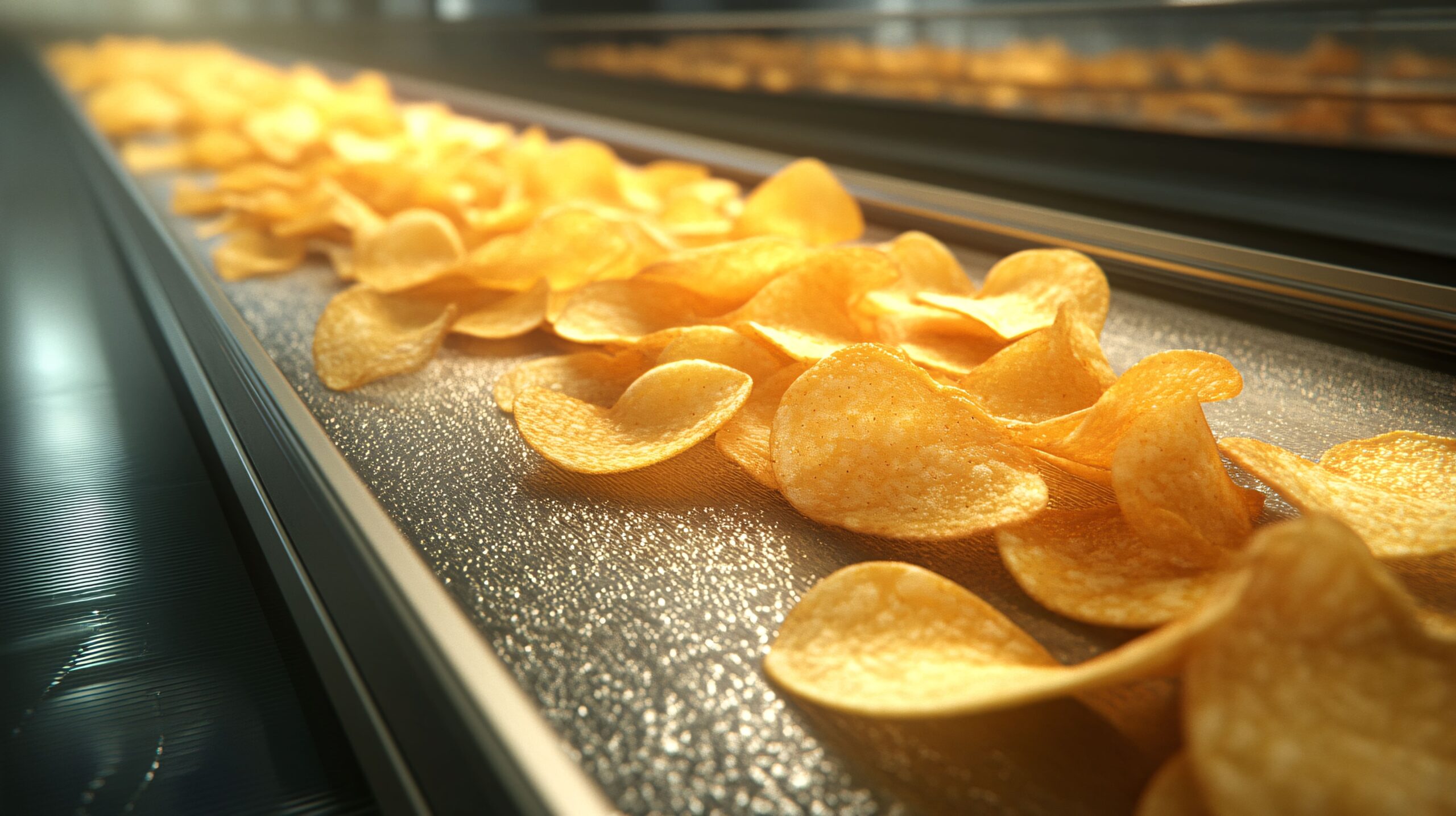
Snack manufacturing through extrusion exposes ingredients to high temperature, pressure, and mechanical...
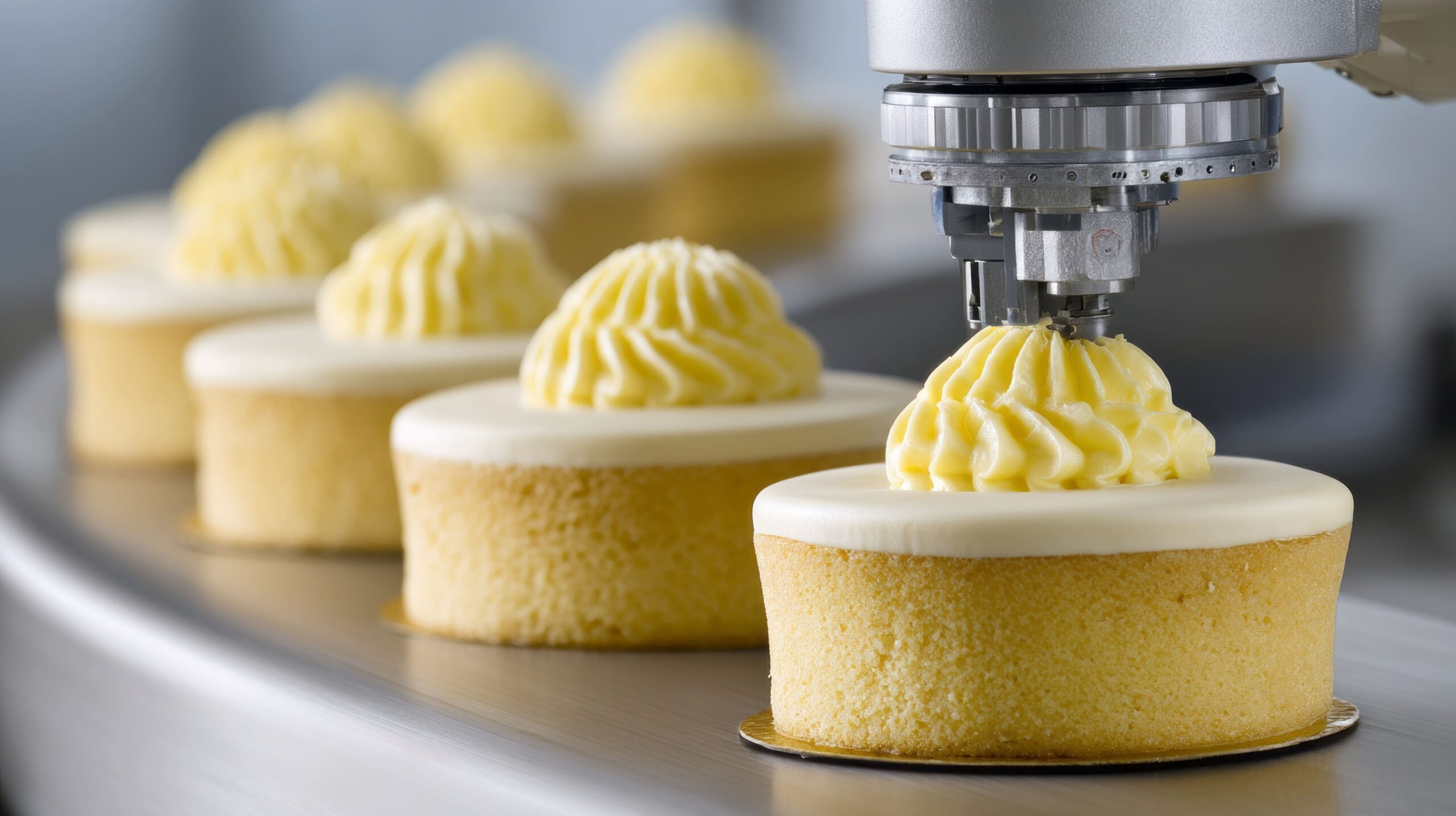
Heat-Stable Flavours in Bakery: Engineering Aroma Survival Above 180°C
Bakery processing exposes flavour systems to one of the most aggressive thermal environments in food...
Taste Masking in Functional Products: Beyond Just Adding Sweetness
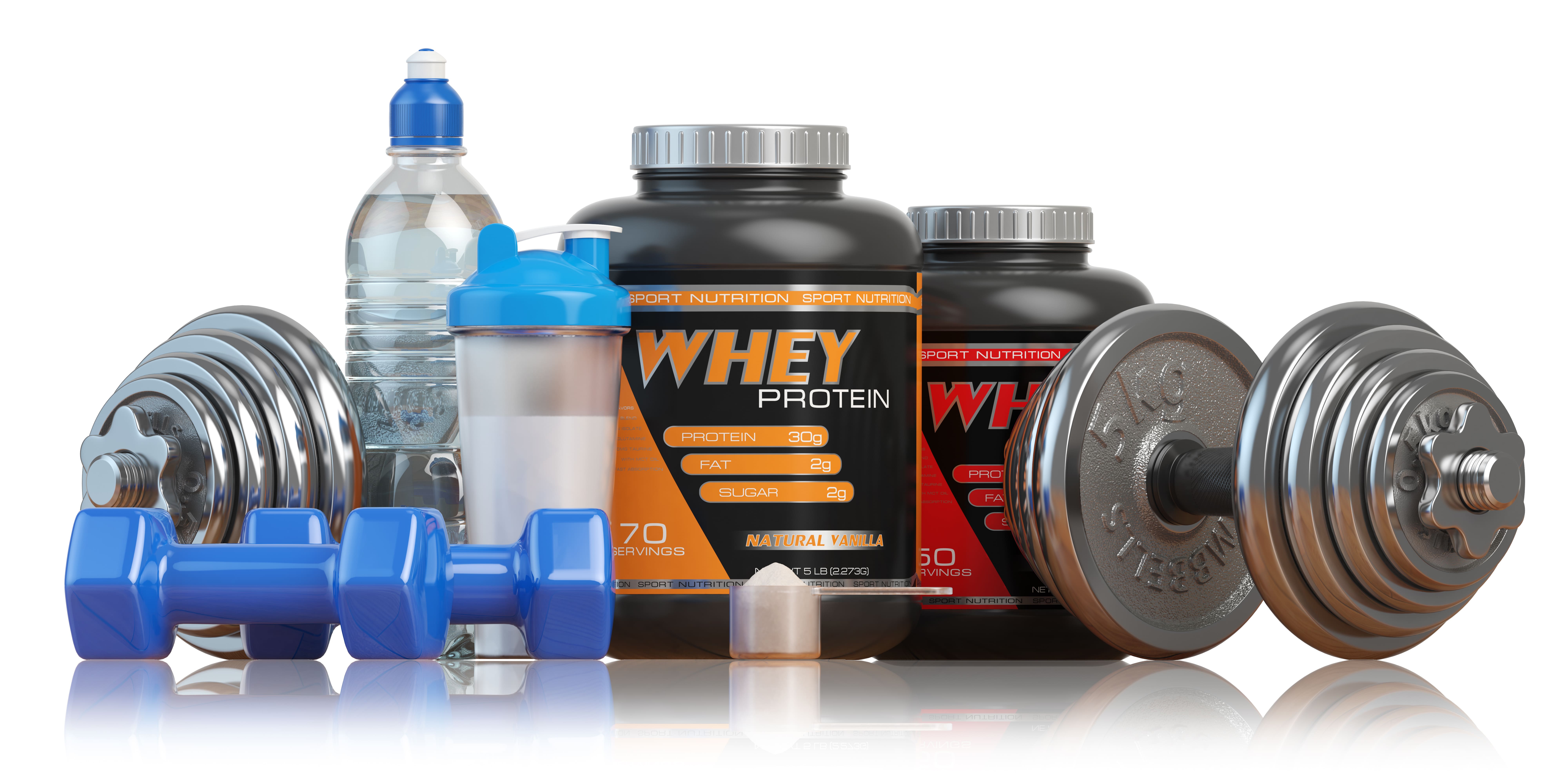
Functional and nutraceutical products often contain proteins, botanical extracts, vitamins, minerals,...
Why Flavours Fail During Production — And How to Prevent It
In controlled laboratory trials, flavour systems often perform exactly as expected. Yet during full-scale...